How to Start Running as a Complete Beginner: A Complete Step-by-Step Guide
Running is one of the simplest and most accessible forms of exercise. You do not need an expensive gym membership, complicated equipment, or advanced athletic skills to begin. All you really need is a comfortable pair of running shoes, a safe place to move, and the willingness to start slowly.
For someone who has never run before, however, getting started can feel confusing. How far should you run? How fast should you go? Should you run every day? What should you eat before running? How can you avoid getting tired or injured?
The good news is that beginners do not need to answer all of these questions at once. The most important principle is simple: start gradually, build consistency, and give your body time to adapt.
This complete beginner’s guide explains how to start running safely and confidently. You will learn how to choose running shoes, prepare your body, use the run-walk method, create a beginner running schedule, improve endurance, avoid common mistakes, recover properly, and stay motivated.
Table of Contents
- Why Start Running?
- Benefits of Running for Beginners
- Is Running Suitable for Everyone?
- What You Need Before Your First Run
- Choosing the Right Running Shoes
- What to Wear for Running
- Choosing a Safe Running Location
- How to Prepare Before Running
- The Importance of Walking for Beginners
- The Run-Walk Method
- How to Start Running for the First Time
- A Beginner Running Plan
- Week-by-Week Running Progression
- How Often Should Beginners Run?
- How Fast Should a Beginner Run?
- How Long Should Beginners Run?
- How to Breathe While Running
- How to Improve Running Endurance
- Proper Running Form
- Common Running Mistakes
- How to Prevent Running Injuries
- Rest and Recovery
- Strength Training for New Runners
- Stretching and Mobility
- Nutrition for Beginner Runners
- Hydration Before, During, and After Running
- What to Eat Before a Run
- What to Eat After a Run
- Running for Weight Loss
- Running for Better Fitness
- Running and Mental Health
- How to Stay Motivated
- Running Alone vs. Running With Others
- Using Technology to Track Progress
- When to Increase Distance
- How to Handle Difficult Runs
- What to Do When You Miss a Workout
- Running in Hot Weather
- Running in Cold Weather
- Running on Different Surfaces
- Beginner Running Safety Tips
- How to Know When to Stop
- Frequently Asked Questions
- Final Thoughts
1. Why Start Running?
Running is a practical exercise because it can fit into almost any lifestyle. You can run outdoors, on a treadmill, around a park, or on a track. You can run for ten minutes or an hour depending on your fitness level and goals.
For complete beginners, running can also become a foundation for a healthier lifestyle.
Some people begin running because they want to lose weight. Others want to improve cardiovascular fitness, prepare for a race, reduce stress, spend more time outdoors, or simply become more physically active.
Whatever your reason, you do not need to become a fast runner immediately.
Your first goal should be building the habit of running consistently.
Speed and distance can come later.
2. Benefits of Running for Beginners
Regular running can provide a wide range of physical and mental benefits when incorporated appropriately into an overall healthy lifestyle.
Improved Cardiovascular Fitness
Running challenges your heart and lungs to deliver oxygen throughout your body. Over time, regular aerobic exercise can improve your cardiovascular fitness.
As your fitness improves, activities that once made you feel exhausted may become easier.
Better Muscular Endurance
Running repeatedly engages the muscles of your legs and core. Consistent training can improve muscular endurance and help your body become more efficient at movement.
Support for Healthy Weight Management
Running uses energy, which can contribute to maintaining or reducing body weight when combined with an appropriate overall diet and lifestyle.
However, running should not be viewed as a punishment for eating. Sustainable weight management depends on your overall habits.
Improved Mood
Physical activity can be associated with better mood and reduced feelings of stress. Many runners enjoy the mental break that comes from spending time moving without distractions.
Better Sleep
Regular physical activity may also support healthier sleep patterns for many people.
Increased Confidence
Completing your first continuous five-minute run can feel like a major achievement.
As you gradually progress from short walk-run sessions to longer runs, you may develop greater confidence in your physical abilities.
3. Is Running Suitable for Everyone?
Running is a vigorous form of physical activity, and beginners should consider their current fitness level before starting.
If you have a medical condition, significant joint problems, unexplained chest pain, dizziness, severe shortness of breath, or other concerns about exercising, talk with an appropriate healthcare professional before beginning a running program.
You do not have to start by running.
Walking is an excellent starting point for people who are currently inactive. You can gradually introduce short periods of jogging when your body is ready.
The goal is not to prove how tough you are.
The goal is to become healthier while minimizing unnecessary risk.
4. What You Need Before Your First Run
One of the best things about running is that you need relatively little equipment.
The basics include:
- Comfortable running shoes
- Comfortable clothing
- Water when appropriate
- A safe route
- A watch or phone if you want to track time
- A positive attitude
You do not need the most expensive shoes or advanced fitness technology.
In fact, beginners often make progress simply by focusing on consistency.
Before your first session, think about where you will run, what time of day works best, and how much time you realistically have available.
5. Choosing the Right Running Shoes
Shoes are one of the most important pieces of equipment for a beginner runner.
Your shoes should feel comfortable and allow your feet to move naturally.
When shopping for running shoes, consider:
- Comfortable fit
- Enough space around the toes
- Secure heel fit
- Appropriate cushioning for your preferences
- Shoes designed for the surface where you normally run
Do not assume that the most expensive shoe is automatically the best shoe.
Comfort and appropriate fit are more important than price.
If possible, try shoes on later in the day when your feet may be slightly larger than in the morning. Wear the type of socks you expect to use while running.
Avoid beginning a long-running program in shoes that are uncomfortable, damaged, or unsuitable for running.
6. What to Wear for Running
Running clothes should allow comfortable movement.
Choose lightweight and breathable clothing appropriate for the weather.
In hot weather, moisture-managing clothing can help you stay more comfortable.
In colder weather, dressing in layers can make it easier to regulate body temperature.
Your clothing does not need to be expensive or highly technical.
Comfort is the priority.
Also pay attention to socks. Socks that fit properly and reduce friction can help prevent uncomfortable rubbing and blisters.
7. Choosing a Safe Running Location
Beginners should choose routes that make them feel comfortable and safe.
Possible locations include:
- Parks
- Running tracks
- Quiet streets
- Sidewalks
- Treadmills
- Dedicated running paths
If you run outdoors, pay attention to traffic, uneven surfaces, weather conditions, lighting, and other people using the route.
For your first few sessions, choosing a familiar route can reduce stress.
A simple route close to home is often better than an ambitious route that requires significant travel.
8. How to Prepare Before Running
You do not need a complicated warm-up.
Start with several minutes of easy walking.
You can then gradually increase your pace.
A simple beginner warm-up may look like this:
- Walk slowly for 2–3 minutes.
- Walk at a comfortable pace for another 2–3 minutes.
- Perform a few gentle dynamic movements.
- Begin your run-walk session slowly.
The purpose of warming up is to transition gradually from rest to exercise.
Avoid turning your warm-up into a workout.
9. The Importance of Walking for Beginners
Walking is not a failure.
It is one of the most useful tools available to a beginner runner.
If you cannot comfortably run for ten minutes, that is completely normal.
Instead, walk for a few minutes and then jog for a short period.
For example:
Walk 3 minutes → Jog 1 minute → Walk 3 minutes → Jog 1 minute.
Repeat the cycle several times.
Over the following weeks, you can gradually increase the jogging periods and decrease the walking periods.
This approach gives your cardiovascular system, muscles, bones, tendons, and joints time to adapt.
10. The Run-Walk Method
The run-walk method is one of the easiest ways to begin running.
Instead of attempting to run continuously from day one, alternate between running and walking.
A beginner session might look like:
- 5 minutes easy walking
- 1 minute jogging
- 2 minutes walking
- 1 minute jogging
- 2 minutes walking
- Repeat
- 5 minutes easy walking to finish
The exact intervals are not important.
What matters is choosing intervals that feel manageable.
If one minute of jogging feels too difficult, reduce it to 30 seconds.
If two minutes feels easy after several weeks, you can gradually increase it.
11. How to Start Running for the First Time
Your first running session should feel easier than you think it should.
This is an important lesson for beginners.
Many new runners start too quickly because they believe running means moving as fast as possible.
It does not.
Start with a comfortable walk.
Then transition into a very easy jog.
Your pace should allow you to maintain control of your breathing.
If you feel completely exhausted after the first minute, slow down.
Your first run is not a race.
It is an introduction to a new form of exercise.
12. A Beginner Running Plan
A simple beginner plan can help you stay consistent.
Here is an example eight-week progression.
Week 1
Perform three sessions.
Each session:
- 5-minute warm-up walk
- 1-minute easy jog
- 2-minute walk
- Repeat for approximately 20 minutes
- 5-minute cool-down walk
Week 2
Three sessions:
- 5-minute walk
- 90-second jog
- 2-minute walk
- Repeat for 20–25 minutes
- Cool down
Week 3
Three sessions:
- 5-minute warm-up
- 2-minute jog
- 2-minute walk
- Repeat
Week 4
Three sessions:
- 5-minute warm-up
- 3-minute jog
- 2-minute walk
- Repeat
Week 5
Three sessions:
- 5-minute warm-up
- 5-minute easy jog
- 2-minute walk
- Repeat
Week 6
Three sessions:
- 5-minute warm-up
- 8-minute jog
- 2-minute walk
- Repeat
Week 7
Three sessions:
- 5-minute warm-up
- 10-minute easy jog
- 2-minute walk
- 10-minute easy jog if comfortable
Week 8
Three sessions:
Work toward longer periods of continuous easy running.
Remember that this is an example, not a mandatory schedule.
If your body needs more time at one stage, repeat that week.
Progress is not a competition.
13. Week-by-Week Running Progression
The biggest mistake beginners make is trying to progress too quickly.
Your cardiovascular system may improve faster than your muscles, tendons, and joints.
You may feel capable of running farther before your body is ready for significantly more training.
That is why gradual progression is important.
A good beginner approach is:
Consistency first → endurance second → distance third → speed later.
You do not need to increase everything at the same time.
If you run farther, keep the pace easy.
If you increase speed, avoid simultaneously making the workout much longer.
Small changes are easier for your body to handle.
14. How Often Should Beginners Run?
For many beginners, three running or run-walk sessions per week provide a practical starting point.
For example:
- Monday: Run/walk
- Tuesday: Rest or easy walking
- Wednesday: Run/walk
- Thursday: Rest
- Friday: Run/walk
- Saturday: Optional easy activity
- Sunday: Rest
Rest days are not wasted days.
They are part of training.
Your body needs time to recover and adapt.
Running hard every day is generally unnecessary for someone just beginning.
15. How Fast Should a Beginner Run?
Run slowly.
That may sound too simple, but it is one of the most important beginner lessons.
Your running pace should generally feel controlled rather than desperate.
A useful concept is the talk test.
If you can speak in short sentences while exercising, your intensity may be appropriate for an easy aerobic session.
If you cannot speak because you are struggling to breathe, slow down or walk.
Do not compare your pace with experienced runners.
Your starting point is your starting point.
16. How Long Should Beginners Run?
Beginners should focus on time rather than distance.
For example, instead of saying:
“I must run 5 kilometers.”
Try:
“I will move for 25 minutes.”
This removes unnecessary pressure.
You might cover a short distance at first.
That is completely fine.
Over time, your pace will likely improve naturally.
The first objective is developing the ability to exercise consistently.
17. How to Breathe While Running
Breathing can feel difficult when you first begin running.
There is no single breathing pattern that every runner must follow.
Instead, focus on relaxed breathing.
Avoid deliberately holding your breath.
If you are breathing very heavily, reduce your pace.
Walking for a short period is perfectly acceptable.
As your aerobic fitness improves, breathing during easy running will generally become more comfortable.
18. How to Improve Running Endurance
Endurance comes from consistent training.
You do not build endurance from one huge workout.
You build it through repeated manageable sessions.
To improve endurance:
- Run consistently.
- Keep most sessions easy.
- Increase duration gradually.
- Include rest days.
- Sleep sufficiently.
- Eat a balanced diet.
- Avoid making every workout difficult.
Patience is a major part of running.
Your body needs time to adapt.
19. Proper Running Form
You do not need perfect running form to begin.
However, several basic principles can help.
Keep your posture relaxed.
Try to:
- Look ahead rather than constantly down.
- Keep your shoulders relaxed.
- Avoid excessive tension in your hands.
- Keep your arms moving naturally.
- Land comfortably under your body rather than reaching excessively forward.
- Maintain a relaxed upper body.
Do not obsess over every movement.
Running form usually becomes more natural with experience.
20. Common Running Mistakes
Beginners often make similar mistakes.
Starting Too Fast
The first five minutes feel exciting, so you run quickly.
Then you become exhausted.
Start slower than you think you need to.
Running Too Far
You feel good during one workout and decide to double your distance.
That can create unnecessary stress.
Increase gradually.
Running Every Day
More is not always better.
Recovery is part of training.
Ignoring Pain
Normal exercise discomfort and injury pain are not the same thing.
Do not repeatedly run through significant or worsening pain.
Comparing Yourself With Others
Someone else may have years of running experience.
Compare your current performance with your own previous performance.
21. How to Prevent Running Injuries
Injury prevention starts with sensible training.
Important strategies include:
Increase Gradually
Avoid sudden jumps in distance or intensity.
Take Rest Days
Rest gives your body time to recover.
Wear Comfortable Shoes
Use shoes appropriate for running and your preferred surface.
Strengthen Your Body
Strength exercises can support overall movement and physical capacity.
Listen to Your Body
If something feels wrong, do not automatically push harder.
Warm Up
Begin gradually rather than sprinting immediately.
22. Rest and Recovery
Recovery is not the opposite of training.
Recovery is part of training.
When you rest, your body has time to respond to the stress of exercise.
Good recovery habits include:
- Adequate sleep
- Balanced nutrition
- Hydration
- Easy walking
- Rest days
- Appropriate stretching or mobility work
If your legs feel unusually heavy or fatigued, consider reducing the intensity of the next workout.
23. Strength Training for New Runners
Running is easier when your entire body is strong.
Beginners can include basic strength exercises one or two times per week, depending on their overall training and recovery.
Useful movements include:
- Squats
- Glute bridges
- Lunges
- Calf raises
- Step-ups
- Planks
- Side planks
You do not necessarily need heavy weights.
Bodyweight exercises can provide a useful starting point.
Strength training can complement running by developing muscular strength and control.
24. Stretching and Mobility
Gentle mobility exercises can help you move comfortably.
Before running, many people prefer dynamic movements such as:
- Leg swings
- Gentle walking lunges
- Ankle movements
- Hip circles
After running, gentle stretching can be comfortable for some people.
You do not need to spend 30 minutes stretching before every run.
Keep your routine simple.
25. Nutrition for Beginner Runners
You do not need a special diet simply because you started running.
Focus on a balanced eating pattern that includes:
- Fruits
- Vegetables
- Whole grains
- Protein-rich foods
- Healthy fats
- Adequate fluids
Carbohydrates provide an important source of energy for running.
Protein supports muscle repair and recovery.
Healthy fats contribute to overall nutrition.
The goal is not to eat as little as possible.
The goal is to provide your body with enough nutrition to support your activity and overall health.
26. Hydration Before, During, and After Running
Hydration needs vary depending on temperature, humidity, workout duration, sweating, and individual needs.
For short beginner runs in moderate weather, drinking water around your normal meals and throughout the day may be sufficient.
Longer workouts or hot conditions require greater attention to fluids.
Do not wait until you are extremely thirsty to think about hydration during longer sessions.
After running, replace fluids you have lost through sweat.
27. What to Eat Before a Run
For a short, easy run, you may not need a large meal immediately beforehand.
If you prefer to eat, choose something familiar and easy to digest.
Examples include:
- Banana
- Toast
- Oatmeal
- Fruit
- Yogurt
- Small sandwich
Avoid experimenting with unfamiliar foods before an important workout.
Everyone’s digestive system is different.
28. What to Eat After a Run
After exercising, aim for a balanced meal or snack containing carbohydrates and protein.
Examples include:
- Eggs with whole-grain toast
- Yogurt with fruit
- Chicken with rice and vegetables
- Oatmeal with milk and fruit
- Beans with rice and vegetables
You do not need expensive recovery products after every beginner workout.
Regular nutritious food is often enough.
29. Running for Weight Loss
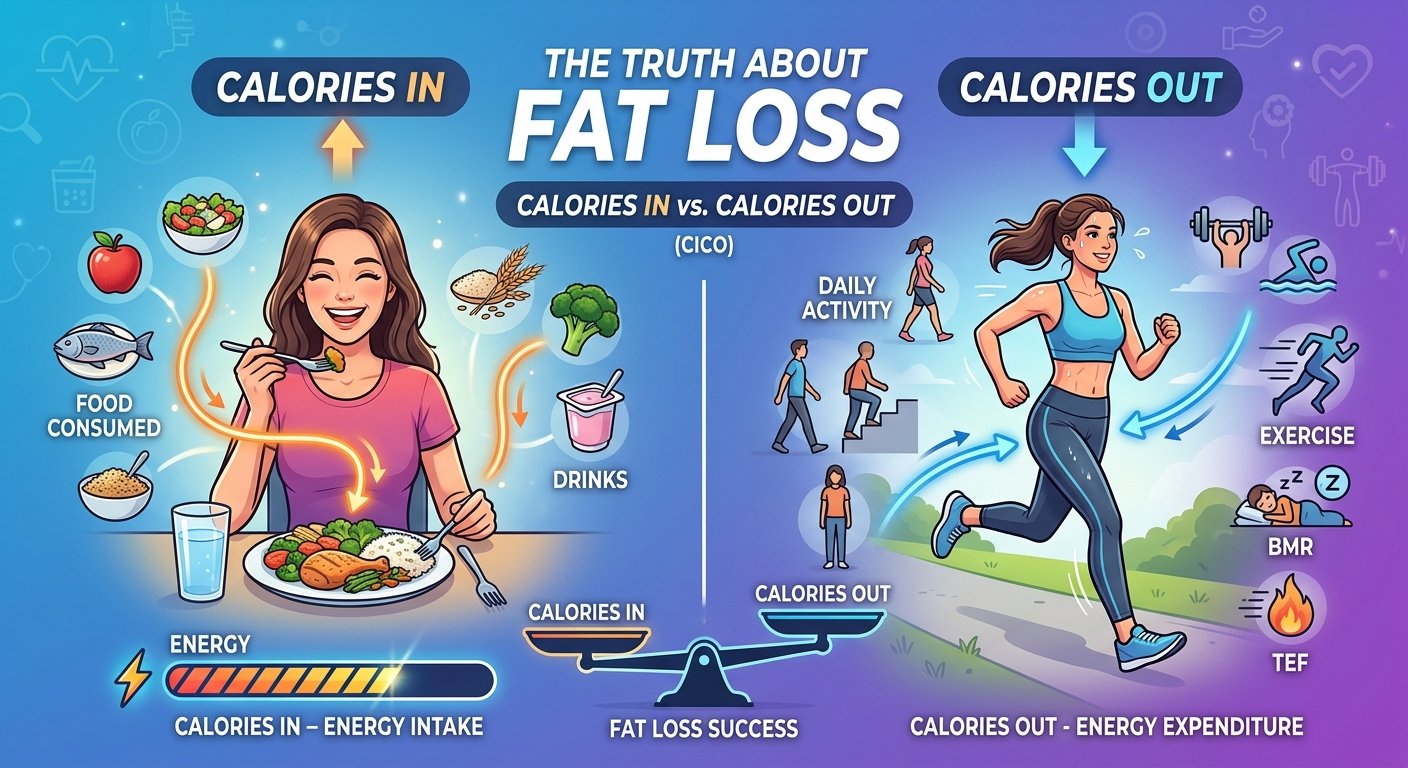
Running can contribute to weight management because it increases physical activity and energy expenditure.
However, weight loss is influenced by many factors.
A common mistake is assuming:
“I ran, so I can eat anything.”
Running does not automatically cancel out a highly excessive calorie intake.
If your goal is weight loss, focus on sustainable habits:
- Regular running
- Walking
- Strength training
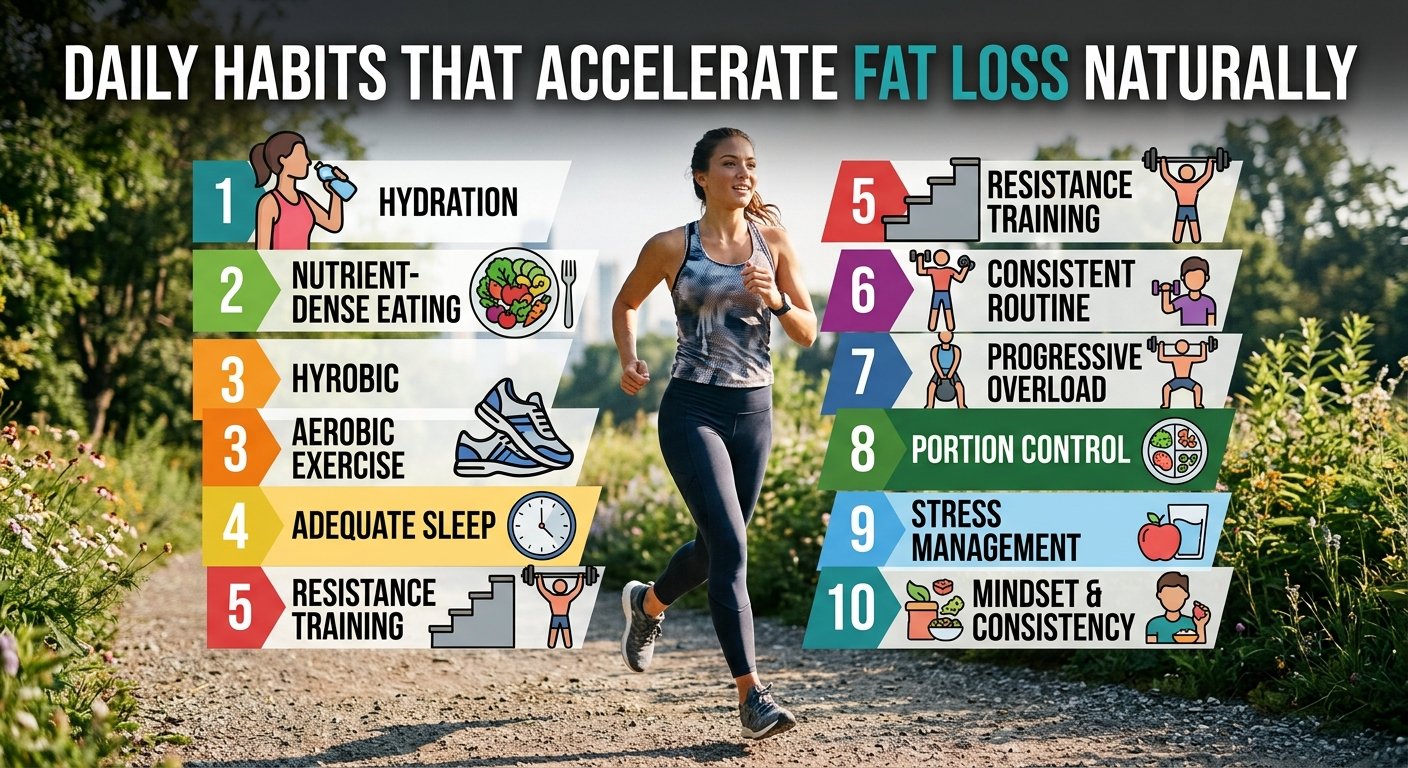
- Balanced meals
- Appropriate portions
- Adequate sleep
- Consistency
Do not try to lose weight as quickly as possible.
Sustainable progress is usually more useful than extreme short-term approaches.
30. Running for Better Fitness
If your primary goal is fitness rather than weight loss, focus on improvements such as:
- Running longer
- Recovering faster
- Feeling less breathless
- Maintaining an easier pace
- Completing consistent weekly sessions
- Improving overall energy
Fitness is more than a number on a scale.
A person can become significantly fitter without dramatic changes in body weight.
31. Running and Mental Health
Many people enjoy running because it provides time away from daily responsibilities.
An easy run can become a form of personal time.
You may use it to:
- Clear your mind
- Listen to music
- Listen to podcasts
- Spend time outdoors
- Think quietly
- Reduce daily stress
You do not need every run to be productive.
Sometimes simply moving is enough.
32. How to Stay Motivated
Motivation comes and goes.
Instead of relying entirely on motivation, create a routine.
Choose specific days and times for running.
For example:
Monday, Wednesday, and Saturday at 7:00 AM.
Treat those sessions like appointments.
Other useful strategies include:
Set Small Goals
Instead of aiming immediately for a marathon, aim to complete your first 10-minute continuous run.
Track Progress
Record your workouts.
Reward Consistency
Be proud of completing the session, even if it was slow.
Find a Running Partner
Having someone else expecting you can make it easier to show up.
Remember Your Reason
Ask yourself why you started.
33. Running Alone vs. Running With Others
Both options have advantages.
Running alone gives you freedom.
You can choose your own pace and schedule.
Running with others can provide motivation and social support.
If you are joining a group, choose one that welcomes beginners.
Do not feel pressured to match the fastest runner.
A good running group should support different fitness levels.
34. Using Technology to Track Progress
A smartphone or fitness watch can track:
- Time
- Distance
- Pace
- Heart rate
- Steps
- Calories
- Routes
Technology can be helpful, but it is not necessary.
Do not become obsessed with numbers.
If your watch says your pace is slower than someone else’s, that does not mean your workout was worthless.
The most important measurement is consistency.
35. When to Increase Distance
Increase your running duration when your current training feels manageable.
For example, if you have comfortably completed several sessions at 20 minutes, you may gradually move toward 22–25 minutes.
Small increases are easier to manage than dramatic jumps.
You should not feel like every week must contain a new personal record.
Some weeks are for building.
Some are for maintaining.
Some are for recovery.
36. How to Handle Difficult Runs
Not every run will feel good.
You may feel tired, slow, or unmotivated.
That is normal.
If a workout feels harder than expected, slow down.
You can walk.
You can shorten the session.
One difficult run does not mean you are becoming less fit.
Your performance can vary based on:
- Sleep
- Stress
- Weather
- Nutrition
- Hydration
- Work
- Daily activity
- Recovery
Judge your progress over weeks and months, not one workout.
37. What to Do When You Miss a Workout
Missing one workout is not a disaster.
Do not attempt to “make up” for it by doing twice as much the next day.
Simply return to your schedule.
Consistency over months is much more important than completing every single planned workout.
Life happens.
You may have work, family responsibilities, travel, illness, or other commitments.
The goal is to build a sustainable habit rather than a perfect record.
38. Running in Hot Weather
Hot and humid conditions can make running significantly harder.
When temperatures rise:
- Run during cooler parts of the day.
- Reduce your pace.
- Drink appropriately.
- Choose breathable clothing.
- Seek shade when possible.
- Pay attention to warning signs of heat illness.
If the weather is extremely hot, consider moving your workout indoors.
Your health is more important than completing a scheduled run.
39. Running in Cold Weather
Cold weather requires different preparation.
Dress appropriately and consider layers.
Begin your run gradually.
If surfaces are icy, slippery, or otherwise unsafe, choose an indoor workout instead.
Visibility is also important during early morning or evening runs.
Reflective clothing or lights may improve visibility in low-light conditions.
40. Running on Different Surfaces
Different surfaces can feel different under your feet.
Common options include:
Treadmill
Convenient and weather-independent.
Track
Predictable and relatively flat.
Road
Convenient but requires attention to traffic.
Trail
Scenic and enjoyable but may include uneven surfaces.
Grass
Can feel softer but may be uneven.
Beginners should choose surfaces that are safe and comfortable.
41. Beginner Running Safety Tips
Safety should always come before performance.
If running outdoors:
- Tell someone where you are going when appropriate.
- Carry a phone when practical.
- Stay aware of your surroundings.
- Use well-lit routes.
- Be careful around traffic.
- Follow local road and pedestrian rules.
- Avoid unsafe or isolated locations when possible.
- Check weather conditions.
Do not wear headphones so loudly that you cannot hear your surroundings.
42. How to Know When to Stop
There is an important difference between normal exertion and warning signs.
Stop exercising and seek appropriate medical help if you experience serious symptoms such as:
- Chest pain or pressure
- Fainting
- Severe difficulty breathing
- Severe dizziness
- Sudden unusual weakness
- Other concerning symptoms
Likewise, persistent or worsening musculoskeletal pain should not simply be ignored.
It is better to miss one workout than turn a small problem into a major injury.
43. Frequently Asked Questions
How should a complete beginner start running?
Start with walking and short jogging intervals. Keep the pace easy and gradually increase running time over several weeks.
Can I start running if I have never exercised before?
Yes, many beginners can begin with walking and gradually introduce jogging. If you have health concerns, consult a healthcare professional before starting vigorous exercise.
How many days a week should a beginner run?
Three days per week is a practical starting point for many beginners, with rest or easy activity between running sessions.
How long should my first run be?
Your first session can be around 20–30 minutes of walking and short jogging intervals. You do not need to run continuously.
Should I run every day to lose weight?
No. Daily running is not necessary for weight loss, and beginners benefit from recovery days. Combine regular activity with sustainable nutrition habits.
What is the best running pace for beginners?
An easy pace is usually best. You should feel in control rather than exhausted.
Should beginners run fast?
No. Speed can be developed later. Beginners should first build consistency and aerobic endurance.
Is walking during a run okay?
Absolutely. Walking is an excellent tool for beginners and can be part of a structured run-walk program.
Do I need expensive running shoes?
No. Choose comfortable running shoes that fit properly. Expensive does not automatically mean better.
Should I stretch before running?
A short warm-up involving easy walking and dynamic movements can prepare you for exercise. Long static stretching sessions are not required for every run.
Can running help me lose belly fat?
Running can contribute to overall fat loss, but you cannot specifically choose where your body loses fat. Overall nutrition, activity, sleep, and genetics all influence body composition.
What should I eat before running?
For short runs, you may not need much food immediately beforehand. If you eat, choose a small, familiar, easy-to-digest option such as fruit, toast, or yogurt.
What should I drink before running?
Water is generally appropriate for short, easy sessions. Fluid needs increase with longer workouts and hot conditions.
Why do my legs hurt after running?
Some muscle soreness can occur when your body is adapting to a new activity. However, sharp, severe, persistent, or worsening pain should not be ignored.
How long does it take to become a runner?
There is no exact timeline. Some beginners can comfortably run continuously within several weeks, while others need longer. Your progress depends on your starting fitness, consistency, recovery, and individual circumstances.
Can I run on a treadmill?
Yes. A treadmill can be an excellent option, especially when outdoor weather or safety is a concern.
Is running better than walking?
Neither is universally “better.” Running generally provides greater intensity, while walking can be easier to sustain and is an excellent starting point for beginners.
Can I run if I am overweight?
Many people with higher body weights can become more active safely, but starting with walking and gradually progressing may be more appropriate. If you have joint problems or health concerns, seek professional guidance.
How can I avoid getting tired while running?
Slow down, use the run-walk method, build gradually, and avoid trying to run at an experienced runner’s pace.
Should I run in the morning or evening?
The best time is the time you can consistently follow while remaining safe and comfortable.
What is the most important beginner running tip?
Do not rush.
Start slowly, remain consistent, recover properly, and allow your body time to adapt.
44. A Simple Beginner Running Checklist
Before your first run, check the following:
Equipment
- Comfortable running shoes
- Comfortable clothing
- Appropriate socks
- Water when needed
- Phone if practical
Before Running
- Choose a safe route
- Check the weather
- Warm up with walking
- Start slowly
During Running
- Maintain an easy pace
- Relax your shoulders
- Breathe naturally
- Use walking breaks
- Pay attention to how you feel
After Running
- Walk for several minutes
- Drink fluids as appropriate
- Eat a balanced meal or snack
- Recover
- Record your workout if desired
Your First 30 Days of Running
If you are completely new to running, your first month should focus on establishing a routine.
Days 1–7
Focus on walking and very short jogging intervals.
The objective is simply to get comfortable moving.
Days 8–14
Increase the duration of your jogging intervals slightly if you feel ready.
Do not worry about speed.
Days 15–21
Try longer periods of continuous easy jogging separated by walking.
Pay attention to recovery.
Days 22–30
Gradually increase total exercise time.
If you feel comfortable, begin extending one or two running intervals.
At the end of the first month, your biggest achievement is not necessarily how far you can run.
It is the fact that you have started building a habit.
How to Make Running a Long-Term Habit
Starting is exciting.
Maintaining the habit is the real challenge.
To make running part of your lifestyle, keep it realistic.
Do not create a schedule that requires you to run seven days a week if your lifestyle only allows three sessions.
Choose a routine you can maintain.
For example:
Monday: 25-minute run/walk
Wednesday: 25-minute run/walk
Saturday: 30-minute easy run/walk
This simple schedule can be much more sustainable than an aggressive plan.
Once your fitness improves, you can modify it.
The Importance of Patience
Running rewards patience.
You may improve quickly during your first few weeks, but progress is rarely perfectly linear.
Some days will feel amazing.
Other days will feel difficult.
You may experience periods where your progress appears to stop.
Do not panic.
Fitness develops over time.
Think about running as a long-term investment in your health rather than a short-term challenge.
How to Measure Running Progress
Distance and pace are only two ways to measure progress.
Other useful indicators include:
- Running without stopping
- Feeling less tired after a workout
- Recovering more quickly
- Feeling more comfortable on hills
- Completing your planned sessions
- Walking less during run-walk workouts
- Feeling more energetic
- Sleeping better
- Developing greater confidence
Sometimes the best sign of progress is simply realizing that something that once felt difficult now feels normal.
Beginner Runners Should Avoid the “All or Nothing” Mindset
You do not need a perfect workout.
If you planned to run for 30 minutes but only have time for 15, 15 minutes can still be valuable.
If you planned to run but feel exhausted, an easy walk may be the better choice.
If you miss a day, return to your routine.
Fitness does not require perfection.
It requires repetition.
Running Goals for Beginners
Once you establish a routine, you can choose a goal.
Possible goals include:
- Run continuously for 10 minutes
- Run continuously for 20 minutes
- Complete a 5K
- Improve endurance
- Become more active
- Support weight management
- Run three times per week
- Complete a charity race
Choose a goal that motivates you.
Your goal should challenge you without making you feel overwhelmed.
Preparing for Your First 5K
A 5K is 5 kilometers, or approximately 3.1 miles.
It is a popular goal for beginner runners.
You do not need to run the entire distance immediately.
Start by developing the ability to exercise continuously for longer periods.
A run-walk strategy can be used during a 5K.
For example:
Run 5 minutes → Walk 2 minutes → Repeat.
There is nothing wrong with walking during a race.
Completing the distance is an achievement.
Beginner Running Mindset
A strong running mindset includes patience, consistency, and flexibility.
Remember these principles:
Slow is okay.
Walking is okay.
Rest is okay.
Missing one workout is okay.
Progress takes time.
You do not have to compete with anyone.
Running should become something you can enjoy rather than something you fear.
Final Thoughts
Starting running as a complete beginner does not require exceptional fitness or athletic ability.
You do not need to run five kilometers on your first day.
You do not need to run fast.
You do not need expensive equipment.
You simply need to begin at a level your body can handle and gradually build from there.
Start with walking and short jogging intervals. Keep your pace comfortable. Run a few times per week rather than trying to run every day. Give yourself rest days. Eat nutritious foods, stay appropriately hydrated, and pay attention to warning signs from your body.
Most importantly, remember that running is a journey.
Your first session may feel difficult. Your first continuous mile may feel impossible. But with consistent practice, gradual progression, and adequate recovery, running can become a rewarding part of your lifestyle.
Do not focus on becoming a great runner overnight.
Focus on becoming a little more comfortable with running each week.
The first step is simply putting on your shoes and getting started.
Start slow. Stay consistent. Be patient. Keep moving.