Daily Habits That Accelerate Fat Loss Naturally
Losing body fat does not require extreme diets, starvation, expensive supplements, or exhausting hours in the gym. In most cases, successful and sustainable fat loss comes from simple daily habits that help your body maintain a reasonable calorie deficit while preserving muscle, controlling hunger, improving energy, and supporting overall health.
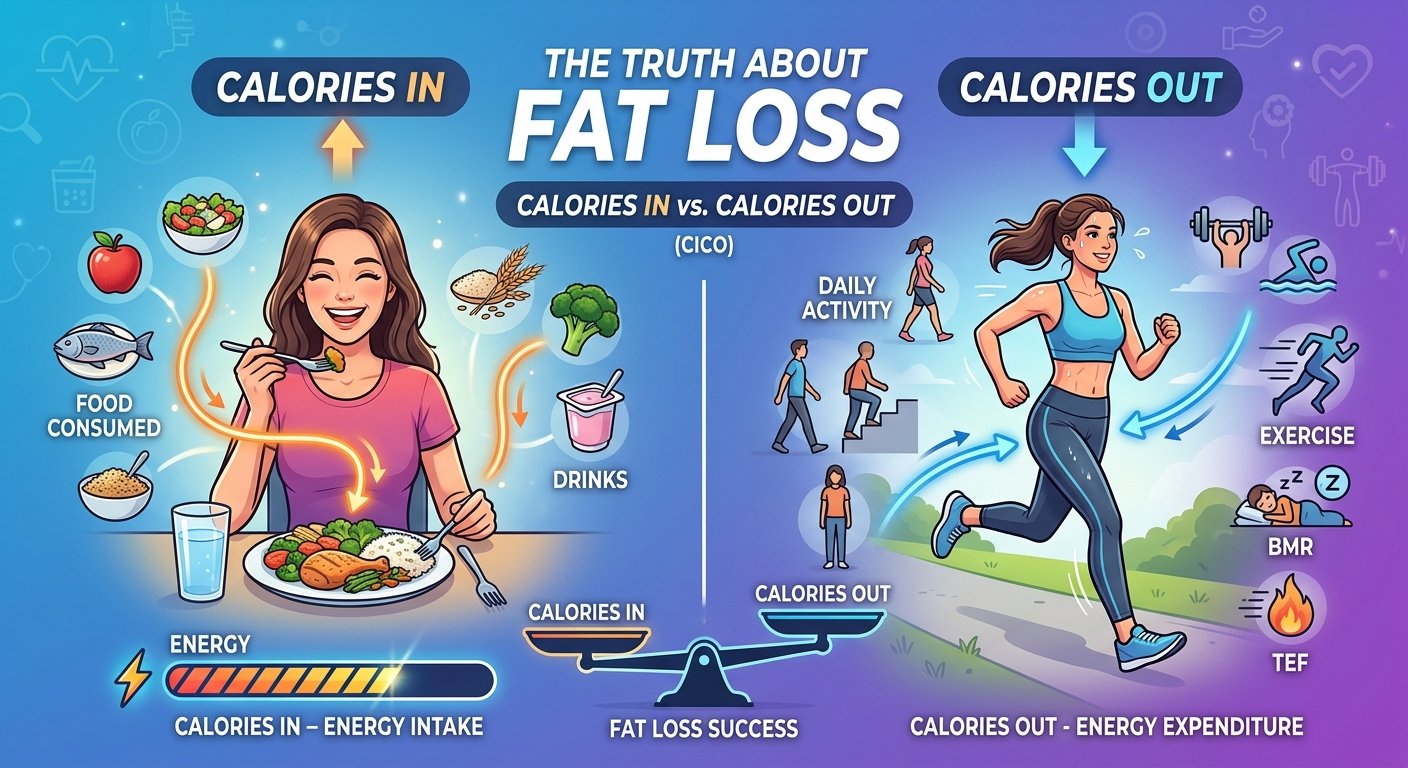
The idea behind natural fat loss is straightforward: your body uses energy every day to stay alive, move, digest food, exercise, and perform countless internal processes. When you consistently consume slightly less energy than your body uses, your body begins using stored energy, including stored body fat, to meet its needs. However, creating that energy deficit does not mean you need to drastically reduce food intake.
Small improvements repeated every day can become powerful over time.
This guide explores the most effective daily habits that can support natural fat loss. It also explains why these habits work, how to make them easier, common mistakes to avoid, and how to build a realistic routine that you can follow for months rather than just a few days.
Understanding Natural Fat Loss
Before discussing daily habits, it is important to understand what fat loss actually means.
Your body requires energy to function. This energy comes primarily from the foods and drinks you consume. Your total daily energy expenditure includes your resting metabolism, physical activity, exercise, digestion, and other bodily processes.
When your average energy intake is lower than your average energy expenditure over time, your body must obtain some of the missing energy from stored sources. Body fat is one of those stored sources.
This is why calorie balance matters.
However, fat loss is not simply a mathematical equation in real life. Appetite, sleep, stress, activity levels, food choices, hormones, environment, and individual differences can influence how easy or difficult it is to maintain a calorie deficit.
The goal, therefore, should not be to eat as little as possible.
The goal should be to create healthy habits that make a moderate calorie deficit easier to maintain.
1. Start Your Day With a Clear Plan
One of the simplest habits for fat loss is planning your day before it becomes busy.
Without a plan, people often make food decisions based on convenience, hunger, stress, or whatever happens to be available.
A simple morning plan can include:
- What you will eat for breakfast
- What you will have for lunch
- When you will exercise
- How much water you intend to drink
- When you expect to have dinner
- What healthy snacks are available
- When you plan to go to bed
Planning reduces unnecessary decision-making.
For example, if you know you will be busy at work, preparing a balanced lunch beforehand can prevent you from relying on highly processed convenience foods.
Your plan does not need to be perfect.
It only needs to be realistic enough to guide you.
2. Prioritize Protein at Every Main Meal
Protein is one of the most useful nutrients for people trying to lose body fat.
Protein helps support muscle tissue and can also help you feel fuller after meals. Maintaining adequate protein intake is particularly valuable during weight loss because preserving muscle can help maintain strength and physical function.
Good protein sources include:
- Eggs
- Chicken
- Fish
- Lean meat
- Greek yogurt
- Cottage cheese
- Milk
- Beans
- Lentils
- Chickpeas
- Tofu
- Tempeh
- Other protein-rich foods
A simple strategy is to build every major meal around a protein source.
For example:
Breakfast: Eggs with vegetables and whole-grain toast
Lunch: Chicken, salad, and rice
Dinner: Fish with vegetables and potatoes
Vegetarian option: Lentils, beans, tofu, or chickpeas with vegetables and whole grains
Protein does not automatically cause fat loss, but it can make a calorie-controlled diet easier to follow.
3. Eat More High-Fiber Foods
Fiber-rich foods can be extremely useful when your goal is fat loss.
Vegetables, fruits, beans, lentils, whole grains, nuts, and seeds provide varying amounts of dietary fiber. Many high-fiber foods also contain substantial amounts of water and nutrients, allowing you to eat satisfying portions without consuming excessive calories.
Useful choices include:
- Apples
- Oranges
- Berries
- Pears
- Carrots
- Cucumbers
- Broccoli
- Spinach
- Cabbage
- Tomatoes
- Beans
- Lentils
- Oats
- Brown rice
- Whole-grain bread
Instead of focusing only on reducing food, try adding more nutrient-dense foods.
A large vegetable portion alongside a protein-rich food can be much more satisfying than a small meal consisting mostly of refined carbohydrates or sugary foods.
4. Drink Water Regularly
Water is essential for normal body function, and staying adequately hydrated is a useful daily habit.
People sometimes confuse thirst with hunger, although thirst is not always the reason someone wants to eat. Drinking water throughout the day can also help replace high-calorie beverages.
Instead of regularly drinking:
- Sugary soda
- Sweetened juices
- High-calorie coffee drinks
- Energy drinks
- Other calorie-heavy beverages
consider water or unsweetened beverages most of the time.
A practical approach is to drink water with meals and keep a water bottle nearby during the day.
There is no universal amount that every person must drink because fluid requirements vary with body size, activity, climate, diet, and health circumstances.
The goal is adequate hydration, not forcing excessive amounts of water.
5. Replace Sugary Drinks With Lower-Calorie Choices
Liquid calories can add up surprisingly quickly.
A large sugary beverage may provide significant calories without creating the same level of fullness as a solid meal.
Replacing calorie-containing drinks with lower-calorie alternatives can therefore be an easy way to reduce total energy intake.
Consider:
- Water
- Sparkling water
- Unsweetened tea
- Unsweetened coffee
- Low- or no-calorie beverages
This does not mean you can never enjoy a sweet drink.
The key is frequency and portion size.
If a sugary beverage is part of your daily routine, replacing it most days can make a meaningful difference over time.
6. Walk More Every Day
Exercise is valuable, but daily movement outside formal workouts is also important.
Walking is one of the easiest ways to increase physical activity without requiring specialized equipment.
You can add more steps by:
- Walking after meals
- Taking the stairs
- Parking farther away
- Walking while talking on the phone
- Taking short breaks from sitting
- Going for an evening walk
- Walking to nearby destinations when practical
You do not need to obsess over a specific step number.
Instead, gradually increase your movement from your current baseline.
If you normally take very few steps, adding several short walks can be a realistic starting point.
7. Take a Short Walk After Meals
A short walk after eating can be a practical addition to your routine.
Walking after meals adds movement to your day and can help reduce prolonged sitting. It can also be easier to maintain than trying to fit one long workout into an already busy schedule.
For example:
After breakfast: 5–10 minutes
After lunch: 5–15 minutes
After dinner: 10–20 minutes
You can adjust this according to your schedule and fitness level.
The objective is consistency.
8. Strength Train Regularly
Cardio is useful, but strength training deserves an important place in a fat-loss plan.
Resistance exercise helps build and maintain muscle. During weight loss, preserving lean mass can be an important goal.
You can strength train using:
- Dumbbells
- Resistance bands
- Machines
- Barbells
- Bodyweight exercises
Basic exercises may include:
- Squats
- Lunges
- Push-ups
- Rows
- Hip hinges
- Overhead presses
- Glute bridges
- Planks
Beginners do not need complicated programs.
A simple full-body routine performed consistently can be highly effective.
If you are new to strength training, focus on learning proper technique and gradually increasing difficulty rather than immediately lifting very heavy weights.
9. Include Cardiovascular Exercise
Cardiovascular exercise can increase energy expenditure and improve cardiovascular fitness.
Useful activities include:
- Brisk walking
- Jogging
- Cycling
- Swimming
- Dancing
- Hiking
- Rowing
- Sports
- Fitness classes
Choose something you actually enjoy.
An exercise program that you hate may work for two weeks and then disappear from your routine.
An activity you enjoy is much easier to repeat.
10. Avoid Sitting for Extremely Long Periods
A person can exercise for one hour and still spend most of the remaining day sitting.
Breaking up long periods of sitting is therefore a useful habit.
Try standing or walking briefly during the day.
For example:
- Stand while taking a phone call.
- Walk around during short breaks.
- Stretch between work sessions.
- Walk to refill your water bottle.
- Do household chores.
- Take a short walk during lunch.
These small activities may seem insignificant individually, but daily movement can accumulate.
11. Build Balanced Meals
A balanced meal can help control hunger and provide important nutrients.
A simple meal structure is:
Protein + vegetables or fruit + a sensible carbohydrate source + optional healthy fat
For example:
Chicken + vegetables + rice
Eggs + vegetables + whole-grain toast
Fish + salad + potatoes
Lentils + vegetables + whole-grain roti
Greek yogurt + berries + oats
The exact portions should depend on your individual energy needs.
You do not have to eliminate carbohydrates or fats to lose fat.
12. Control Portions Without Completely Avoiding Favorite Foods
Many people try to lose weight by creating a long list of forbidden foods.
This approach can sometimes lead to cravings, overeating, and eventually abandoning the diet.
Instead of completely eliminating foods you enjoy, consider portion control.
For example, if you love pizza, you can include pizza occasionally while balancing the rest of the day with nutritious foods.
Fat loss does not require dietary perfection.
It requires consistency over time.
13. Eat Slowly
Eating slowly gives you more time to notice fullness.
Try putting your fork down between bites, chewing thoroughly, and avoiding rushing through meals.
You can also reduce distractions.
Instead of eating while watching television or scrolling through your phone, try paying attention to your food.
Mindful eating may make it easier to recognize when you have had enough.
14. Stop Eating When You Are Comfortably Full
You do not need to feel stuffed after every meal.
Learn to recognize the difference between:
Satisfied: You feel comfortable and no longer hungry.
Very full: You feel heavy or uncomfortable.
Aim to finish meals when you are satisfied rather than waiting until you are extremely full.
This skill can take time to develop.
15. Sleep 7–9 Hours When Possible
Sleep is one of the most underestimated parts of a fat-loss strategy.
Adults generally need around seven or more hours of sleep per night, although individual requirements vary.
Poor sleep can make healthy eating more difficult. When you are tired, you may have less energy for exercise, experience stronger cravings, and find it harder to stick to planned meals.
A consistent sleep routine can therefore support your broader fat-loss efforts.
Try:
- Going to bed at a consistent time
- Waking up at a consistent time
- Limiting stimulating activities before bed
- Keeping your bedroom comfortable
- Reducing unnecessary nighttime screen use
- Avoiding excessive caffeine late in the day
Good sleep is not a magic fat-burning trick.
It is a habit that supports the behaviors that make fat loss easier.
16. Manage Stress
Stress can influence eating behavior.
Some people respond to stress by eating more, particularly highly palatable foods.
Others may skip meals and later become extremely hungry.
Managing stress can therefore help maintain consistency.
Useful stress-management habits include:
- Walking
- Breathing exercises
- Meditation
- Reading
- Journaling
- Spending time with friends
- Listening to music
- Hobbies
- Outdoor activities
- Adequate sleep
You do not need to eliminate stress completely.
Instead, develop healthier ways to respond to it.
17. Keep Healthy Foods Easily Available
Your environment influences your behavior.
If nutritious foods are visible and convenient, you are more likely to eat them.
Keep options such as fruit, yogurt, vegetables, eggs, nuts, beans, and other nutritious foods available.
At the same time, you do not necessarily need to ban treats from your home.
The goal is to make healthy choices easier.
18. Plan Your Snacks
Unplanned snacking can make calorie control difficult.
If you regularly become hungry between meals, prepare sensible snacks.
Examples include:
- Fruit
- Greek yogurt
- Boiled eggs
- A small serving of nuts
- Cottage cheese
- Vegetables with hummus
- Roasted chickpeas
A snack should support your overall diet rather than becoming an additional meal.
19. Reduce Mindless Snacking
Mindless eating often happens when food is consumed automatically rather than because of physical hunger.
Common situations include:
- Eating while watching TV
- Snacking while working
- Eating from large packages
- Eating because of boredom
- Eating simply because food is nearby
Before grabbing a snack, ask:
Am I physically hungry, or am I eating because the food is available?
You can still eat when you want something enjoyable.
The goal is awareness rather than guilt.
20. Use Smaller Plates if They Help With Portions
Plate size can influence how much food people serve themselves.
Using a moderately sized plate can make portions easier to manage.
However, this is not a magical trick.
What matters most is the total dietary pattern.
Use plate size as a practical tool, not as a replacement for nutritious food choices.
21. Make Vegetables a Daily Habit
Vegetables are useful during fat loss because many provide high volume with relatively few calories.
Try including vegetables in lunch and dinner.
Examples:
- Spinach
- Broccoli
- Cauliflower
- Cucumber
- Tomatoes
- Carrots
- Bell peppers
- Cabbage
- Green beans
- Eggplant
- Zucchini
You can also add vegetables to omelets, soups, curries, sandwiches, rice dishes, and pasta.
22. Eat Fruit Instead of Constantly Avoiding It
Fruit is often unnecessarily avoided during fat-loss diets.
Whole fruits provide nutrients, fiber, and naturally occurring sugars.
Good choices include:
- Apples
- Bananas
- Oranges
- Berries
- Melons
- Peaches
- Pears
- Grapes
The important distinction is between whole fruit and highly concentrated sugary foods or drinks.
Fruit can absolutely be part of a balanced fat-loss diet.
23. Choose Mostly Minimally Processed Foods
You do not have to eliminate processed foods.
However, building most meals around minimally processed or nutrient-dense foods can make calorie control easier.
Examples include:
- Eggs
- Fish
- Meat
- Beans
- Lentils
- Vegetables
- Fruits
- Potatoes
- Oats
- Whole grains
- Yogurt
- Nuts and seeds
Highly processed foods can still fit into your diet, but they may be easy to overeat because they are often calorie-dense and highly palatable.
24. Learn to Read Food Labels
Nutrition labels can help you understand what you are eating.
Pay attention to:
- Serving size
- Calories
- Protein
- Fiber
- Added sugars
- Total fat
- Sodium
One common mistake is looking only at calories.
A 200-calorie food may be very different from another 200-calorie food in terms of protein, fiber, nutrients, and fullness.
Calories matter for energy balance, but food quality matters for health and adherence.
25. Cook More Meals at Home
Home cooking can make it easier to control ingredients and portions.
You can decide:
- How much oil to use
- How much sugar to add
- How much salt to use
- How large the portions are
- How much protein and vegetables are included
You do not need complicated recipes.
Simple meals can work extremely well.
26. Measure High-Calorie Ingredients
Some foods are nutritious but calorie-dense.
Examples include:
- Cooking oils
- Butter
- Nut butters
- Nuts
- Cheese
- Sauces
- Dressings
You do not need to avoid these foods.
But measuring portions can help prevent accidentally adding hundreds of extra calories.
For example, pouring cooking oil directly into a pan can make it difficult to estimate how much you used.
27. Limit Frequent Late-Night Snacking
Late-night eating itself is not automatically responsible for weight gain.
What matters primarily is overall energy intake.
However, late-night snacking can become a problem when it adds unplanned calories.
If you frequently eat while watching television at night, consider replacing the habit with:
- Herbal tea
- Water
- Reading
- Brushing your teeth
- Preparing for bed
- A planned small snack if genuinely hungry
The best strategy depends on why you are eating.
28. Keep a Food Journal
Tracking what you eat can increase awareness.
You can use:
- A notebook
- A phone app
- A spreadsheet
- A simple daily checklist
You do not necessarily need to count every calorie forever.
Even tracking for a short period can reveal patterns such as:
- Frequent snacking
- Large portions
- Sugary drinks
- Low protein intake
- Weekend overeating
- Restaurant meals
- Emotional eating
Awareness can lead to better decisions.
29. Monitor Your Progress
The scale is only one measurement.
You can also track:
- Waist measurement
- Clothing fit
- Strength
- Fitness
- Progress photos
- Energy levels
- Daily habits
Body weight naturally fluctuates due to water, food, sodium, hormones, and other factors.
Do not panic because of one day’s increase.
Look at trends over several weeks.
30. Focus on Weekly Trends
Fat loss is a long-term process.
Daily weight changes can be misleading.
Instead of asking:
“Why did I gain weight today?”
ask:
“What is happening to my average weight over several weeks?”
This perspective can reduce unnecessary stress.
31. Avoid Extreme Calorie Restriction
Eating dramatically too little may produce rapid scale changes initially, but it can be difficult to sustain.
Extreme restriction may increase hunger, reduce training performance, and make it harder to maintain adequate nutrition.
A moderate, sustainable calorie deficit is generally a more practical approach.
The best diet is one that helps you make progress while still allowing you to live your life.
32. Do Not Depend on Fat-Burning Supplements
Many products are marketed as fat burners.
However, supplements are not a replacement for proper nutrition, physical activity, sleep, and calorie control.
Be particularly cautious about products promising dramatic fat loss without changing your diet or activity.
There is no shortcut that can replace consistent healthy behavior.
33. Make Your Environment Work for You
Your surroundings can make healthy habits easier or harder.
Consider:
- Keeping fruit visible
- Preparing meals in advance
- Carrying water
- Keeping workout clothes ready
- Storing treats in less visible locations
- Planning restaurant meals
- Avoiding grocery shopping when extremely hungry
Good environments reduce reliance on willpower.
34. Prepare Food in Advance
Meal preparation can save time and reduce impulsive decisions.
You can prepare:
- Chicken
- Boiled eggs
- Rice
- Vegetables
- Lentils
- Salads
- Yogurt portions
- Overnight oats
Preparing a few basic ingredients can make healthy meals much easier during busy days.
35. Use the 80/20 Approach
You do not need to eat perfectly.
A practical approach is to make most of your diet nutritious while leaving room for foods you enjoy.
This may make your plan more sustainable.
The exact percentage does not need to be mathematically precise.
Think of it as:
Mostly nutritious choices + occasional flexibility.
36. Avoid the “All or Nothing” Mindset
One unhealthy meal does not destroy your progress.
If you eat more than planned at lunch, there is no need to turn the entire day into a binge.
Simply return to your normal routine at the next meal.
Fat loss is determined by long-term patterns, not one meal.
37. Create a Consistent Breakfast Routine if It Helps You
Some people prefer breakfast, while others do not feel hungry in the morning.
There is no universal requirement that everyone must eat breakfast to lose fat.
If breakfast helps you control hunger and maintain a balanced diet, include it.
If you prefer eating later and can maintain adequate nutrition and calorie control, that can also work.
The important factor is your overall eating pattern.
38. Avoid Turning Weekends Into Cheat Days
A common pattern is eating carefully from Monday to Friday and then consuming large amounts of food during the weekend.
Two days of overeating can significantly reduce the calorie deficit created during the week.
Instead of a “cheat day,” consider flexible meals.
Enjoy restaurant food or dessert, but avoid treating the entire weekend as an excuse to abandon your normal habits.
39. Walk While Doing Everyday Tasks
Movement does not have to feel like exercise.
You can increase daily activity through:
- Cleaning
- Gardening
- Shopping
- Cooking
- Walking
- Playing with children
- Doing household chores
- Taking stairs
These activities contribute to total daily movement.
40. Make Exercise Enjoyable
If you dislike running, you do not have to run.
Try:
- Cycling
- Dancing
- Swimming
- Walking
- Hiking
- Sports
- Strength training
- Group classes
The best exercise for fat loss is often the exercise you can perform consistently.
41. Set Small Weekly Goals
Instead of setting only a large weight-loss target, create behavioral goals.
For example:
Week 1: Drink more water.
Week 2: Walk 20 minutes daily.
Week 3: Add protein to breakfast.
Week 4: Strength train twice per week.
Week 5: Improve sleep consistency.
Small goals can become permanent habits.
42. Build a Morning Walking Habit
A morning walk can be a simple way to start the day with movement.
You do not need to walk for an hour.
Even a short walk can establish the habit.
Over time, you can increase duration if you enjoy it.
43. Keep Your Workout Schedule Realistic
Do not create a seven-day workout plan if you know you cannot maintain it.
A realistic plan might be:
- Strength training: 2–3 days
- Walking: most days
- Cardio: 1–3 days
- Rest or lighter movement: as needed
Your exact routine should match your fitness level and schedule.
44. Drink Fewer Calories When Eating Out
Restaurant meals and drinks can contain significant calories.
When dining out, consider:
- Water instead of sugary drinks
- Grilled foods instead of heavily fried options
- Vegetables or salad as sides
- Sauces and dressings on the side
- Sharing large portions
- Eating slowly
You can still enjoy restaurant meals while making sensible choices.
45. Get Enough Protein After Training
A balanced meal containing protein after exercise can support recovery.
Examples include:
- Chicken with rice
- Eggs with toast
- Yogurt with fruit
- Fish with potatoes
- Lentils with rice
- Milk and a balanced snack
The entire day’s nutrition matters more than obsessing over a narrow post-workout window.
46. Keep Alcohol Low or Avoid It
Alcohol can contribute calories and may make it easier to overeat.
If you drink, moderation can help reduce its impact on your overall diet.
For people who do not drink, there is no reason to start drinking for health or fat-loss purposes.
47. Make Healthy Food Taste Good
Healthy eating does not need to be boring.
Use herbs, spices, garlic, ginger, lemon, chili, and other flavorful ingredients.
Experiment with different cooking methods:
- Grilling
- Roasting
- Baking
- Air frying
- Steaming
- Stir-frying
When healthy food tastes good, it becomes easier to maintain.
48. Do Not Fear Carbohydrates
Carbohydrates are not automatically fattening.
Rice, potatoes, oats, fruits, beans, and whole grains can all fit into a fat-loss diet.
The problem is usually excessive total calorie intake, not carbohydrates themselves.
Choose portions that fit your energy needs.
49. Include Healthy Fats in Sensible Amounts
Healthy fat sources include:
- Nuts
- Seeds
- Avocado
- Olive oil
- Fatty fish
These foods can be nutritious, but fats contain a high amount of energy per gram.
Therefore, portion awareness is useful.
50. Create a Sustainable Daily Fat-Loss Routine
The most effective strategy is to combine several habits rather than depend on one “fat-burning” trick.
A simple day could look like this:
Morning
Wake at a consistent time.
Drink water.
Eat a balanced breakfast if you prefer breakfast.
Take a short walk.
Midday
Eat a protein-rich lunch with vegetables.
Drink water.
Take a short walking break.
Avoid spending the entire afternoon sitting.
Afternoon
Have a planned snack if hungry.
Complete a workout or take a brisk walk.
Evening
Eat a balanced dinner.
Take a short post-dinner walk.
Avoid unnecessary mindless snacking.
Night
Relax.
Reduce stimulating screen activity.
Go to bed at a consistent time.
This routine is simple, but its strength comes from repetition.
A Sample 7-Day Fat-Loss Habit Plan
Day 1
- Drink water throughout the day
- Eat protein with every main meal
- Walk for 20 minutes
- Eat vegetables with lunch and dinner
- Sleep on time
Day 2
- Prepare meals at home
- Avoid sugary drinks
- Take short walking breaks
- Complete a basic strength workout
- Eat fruit instead of a highly processed snack
Day 3
- Eat slowly
- Track your meals
- Walk after dinner
- Drink water before meals
- Aim for consistent sleep
Day 4
- Strength train
- Include high-fiber foods
- Limit mindless snacking
- Prepare tomorrow’s meals
- Take an evening walk
Day 5
- Eat balanced meals
- Choose mostly minimally processed foods
- Stay active throughout the day
- Drink unsweetened beverages
- Get adequate sleep
Day 6
- Enjoy a flexible meal
- Continue normal portions
- Go for a longer walk
- Spend time outdoors
- Avoid turning the entire day into a binge
Day 7
- Review your habits
- Check your weekly progress
- Plan meals for the next week
- Prepare healthy foods
- Set one or two realistic goals
Common Fat-Loss Mistakes to Avoid
Mistake 1: Eating Too Little
Extreme dieting may make hunger difficult to manage.
Mistake 2: Exercising but Ignoring Food
Exercise is valuable, but calorie intake still matters for fat loss.
Mistake 3: Eliminating Entire Food Groups
Most people do not need to eliminate carbohydrates or fats.
Mistake 4: Drinking Too Many Calories
Sugary drinks can make calorie control harder.
Mistake 5: Ignoring Sleep
Poor sleep can make healthy eating and exercise more difficult.
Mistake 6: Expecting Immediate Results
Fat loss takes time.
Mistake 7: Weighing Yourself Emotionally
Daily fluctuations are normal.
Mistake 8: Following Unsustainable Diets
If you cannot imagine following the diet for months, it may not be the right approach.
How Fast Should Natural Fat Loss Happen?
The appropriate rate of weight loss differs from person to person.
Factors include:
- Starting body weight
- Age
- Sex
- Activity level
- Diet
- Genetics
- Sleep
- Health conditions
- Medications
A gradual approach is usually more sustainable than trying to lose as much weight as possible as quickly as possible.
Your goal should be steady progress while maintaining nutrition, strength, energy, and quality of life.
How to Stay Motivated During Fat Loss
Motivation naturally changes.
Instead of relying entirely on motivation, build systems.
For example:
Keep workout clothes ready.
Prepare meals before busy days.
Keep water nearby.
Schedule walks.
Track habits.
Celebrate non-scale improvements.
You may notice:
- Better fitness
- Improved strength
- Better sleep
- Improved energy
- Easier movement
- Better-fitting clothes
These improvements are valuable even when the scale moves slowly.
Natural Fat Loss Is About Consistency
There is no single daily habit that magically melts body fat.
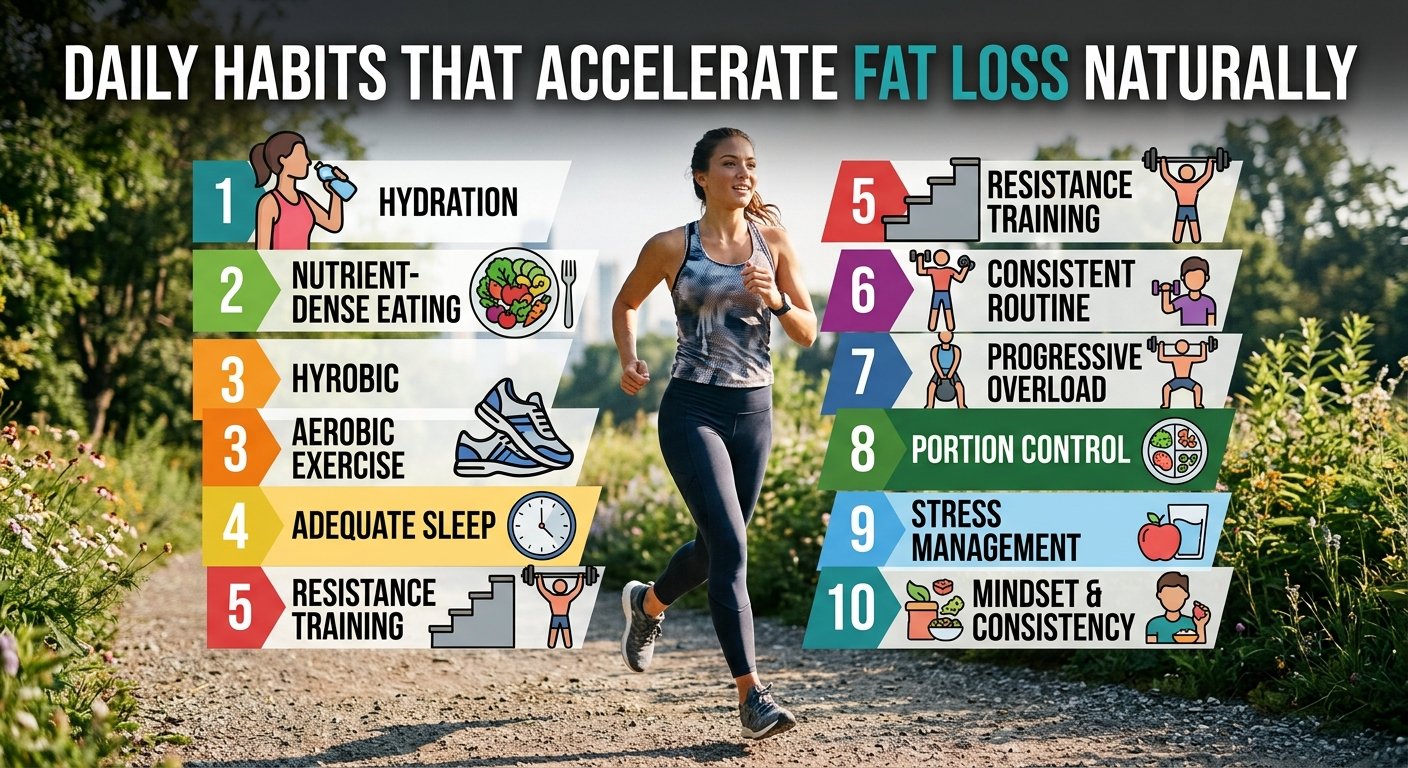
Instead, successful fat loss usually comes from the combined effect of many behaviors:
- Eating appropriate portions
- Choosing nutritious foods
- Getting enough protein
- Eating fiber-rich foods
- Drinking water
- Walking regularly
- Strength training
- Getting enough sleep
- Managing stress
- Limiting mindless snacking
- Monitoring progress
- Maintaining consistency
The biggest advantage of these habits is that they can become part of your lifestyle.
You do not need to “go on a diet” forever.
You can develop a way of eating and moving that supports your health for years.
Frequently Asked Questions
1. What is the best daily habit for fat loss?
There is no single best habit. Maintaining a sustainable calorie deficit while eating nutritious foods and staying physically active is the foundation of fat loss.
2. Can walking help reduce body fat?
Yes. Walking increases physical activity and energy expenditure. When combined with appropriate food intake, regular walking can support fat loss.
3. Does drinking water burn fat?
Water is essential for normal body function, but drinking water alone does not magically burn large amounts of body fat. Its main benefit is supporting hydration and potentially replacing calorie-containing beverages.
4. Is breakfast necessary for fat loss?
No. Some people enjoy breakfast and find it helps control hunger, while others prefer eating later. Your overall calorie intake, nutrition, and consistency matter more than a specific meal schedule.
5. Can I eat rice while losing fat?
Yes. Rice can be part of a fat-loss diet. Portion size and total calorie intake matter more than completely eliminating rice.
6. Can I eat fruit during fat loss?
Yes. Whole fruit can be an excellent source of fiber and nutrients.
7. Do I need to go to the gym to lose fat?
No. Gym workouts can be helpful, particularly for strength training, but walking, home workouts, sports, and other activities can also contribute to fat loss.
8. Is strength training good for fat loss?
Yes. Strength training can help preserve and build muscle while you lose weight and can improve strength and physical function.
9. Does sweating mean I am burning more fat?
Not necessarily. Sweating mainly helps regulate body temperature. A large temporary weight drop after heavy sweating is mostly fluid loss, not body-fat loss.
10. Can I lose fat without cardio?
Yes. Cardio is useful, but fat loss primarily depends on maintaining an appropriate energy balance. Strength training and daily movement can also be important.
11. How much sleep should I get?
Most adults should aim for at least about seven hours of sleep per night, with individual needs varying.
12. Why am I not losing weight despite exercising?
Possible reasons include consuming more calories than expected, underestimating portions, reduced movement outside workouts, water fluctuations, inconsistent adherence, poor sleep, or other individual factors.
If you have concerns about unexplained weight changes, medications, or medical conditions, consult a qualified healthcare professional.
13. Are fat-burning supplements necessary?
No. Supplements are not necessary for natural fat loss. A balanced diet, physical activity, sleep, and sustainable calorie control are more important.
14. Can I eat dessert while losing fat?
Yes. An occasional dessert can fit into a balanced diet when overall calorie intake remains appropriate.
15. What is the most sustainable fat-loss strategy?
A sustainable strategy combines nutritious foods, reasonable portions, regular movement, resistance training, sufficient sleep, stress management, and habits you can maintain long term.
Final Thoughts
Daily habits are more powerful than short-term diet tricks.
You do not need to completely transform your lifestyle overnight. Start with a few habits that are easy enough to repeat consistently.
Drink more water.
Walk more.
Eat enough protein.
Increase vegetables and fiber.
Control portions.
Strength train regularly.
Sleep well.
Manage stress.
Prepare meals.
Reduce mindless snacking.
Most importantly, stay consistent.
Natural fat loss is not about finding a secret food that melts fat or discovering a magical exercise that works overnight. It is about creating a lifestyle where your food intake, movement, recovery, and daily routines work together.
Small actions may seem insignificant when viewed individually. But when repeated hundreds of times, they can create major changes.
The person who walks every day, chooses nutritious meals most of the time, gets adequate sleep, manages portions, and trains consistently may achieve better long-term results than someone who follows an extreme diet for a few weeks and then quits.
Your goal should not simply be to lose weight.
Your goal should be to build habits that make maintaining a healthy body easier.
That is the real meaning of sustainable fat loss.